August 26, 2025
Parent Resources
Social-Emotional Learning
Wellness
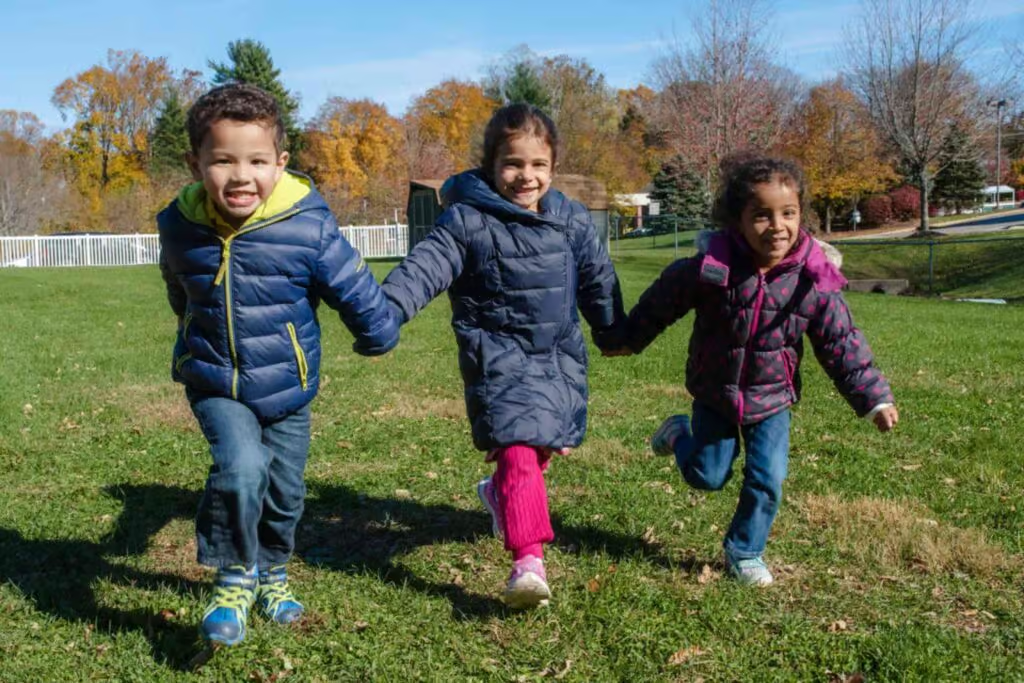
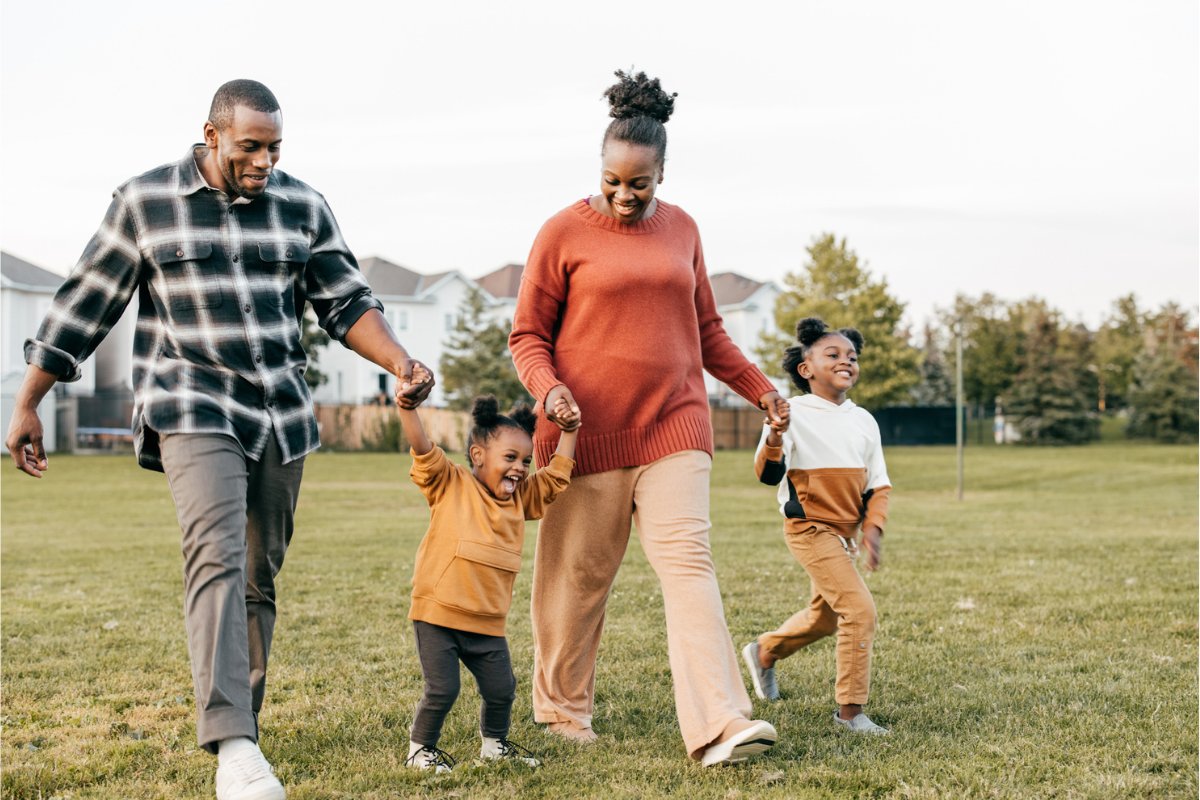
Young children learn with their whole bodies. When they run, climb, and explore, they’re not just playing, they’re building a foundation for thinking, communicating, and understanding the world around them. Here’s a look at how movement impacts learning in young children.
Movement Builds Strong Bodies, and Strong Brains
When children move, their brains grow and develop. Physical activity increases blood flow and oxygen to the brain, which helps improve focus, memory, and problem-solving skills. Each jump, crawl, or stretch helps develop brain connections that support attention, self-control, and emotional growth. Movement also gives children a healthy way to release energy, helping them feel calm and ready to learn. After moving their bodies, children are better able to sit, listen, and engage in activities.
Active Play Builds Learning Behaviors
Active play also teaches children important learning habits. When children climb, balance, or move through obstacles, they practice planning and decision-making skills. They learn to try new ideas and keep going when something feels challenging. These experiences help to build confidence and independence – skills that are important for the classroom and beyond.
Movement Makes Learning More Meaningful
Research shows that children learn and remember more when they move while learning, rather than just listening or watching. Singing songs partnered with motions, acting out stories, and playing games like “Simon Says” make new words easier to understand and remember. Tracing letters in sand or forming letters with their bodies helps children build early reading and writing skills. Games like hopscotch help with counting, sequencing, and number recognition.
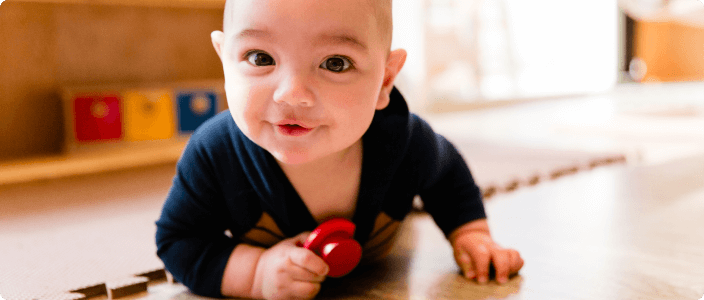
Movement is a powerful tool for learning in the early years. Whether your child is crawling, climbing, dancing, or building with blocks, they’re developing the physical and cognitive skills they need to grow and thrive. At our preschool, children are always on the move, whether they’re on the playground, dancing to music, tracing letters and shapes, or using manipulatives to explore math concepts. Movement is woven into our curriculum because when children are active, their minds are active too.
To learn more about how we incorporate movement into learning, contact us today!